Refractism is an artist-directed practice that begins with a photograph of a real subject and explores how that reality may be interpreted without losing its recognisable identity.
A camera records a particular visual instant. Human experience is different. It accumulates familiarity, memory, association and later encounters; it also changes what seems important when a subject is seen again. Refractism works in the space between those two forms of seeing.
It is neither an attempt to improve a photograph nor an imitation of painting. Its purpose is to allow accumulated experience, memory, present aesthetic response, atmosphere and emotional significance to influence an image while the originating reality remains demonstrably present.


The Anchor Photograph
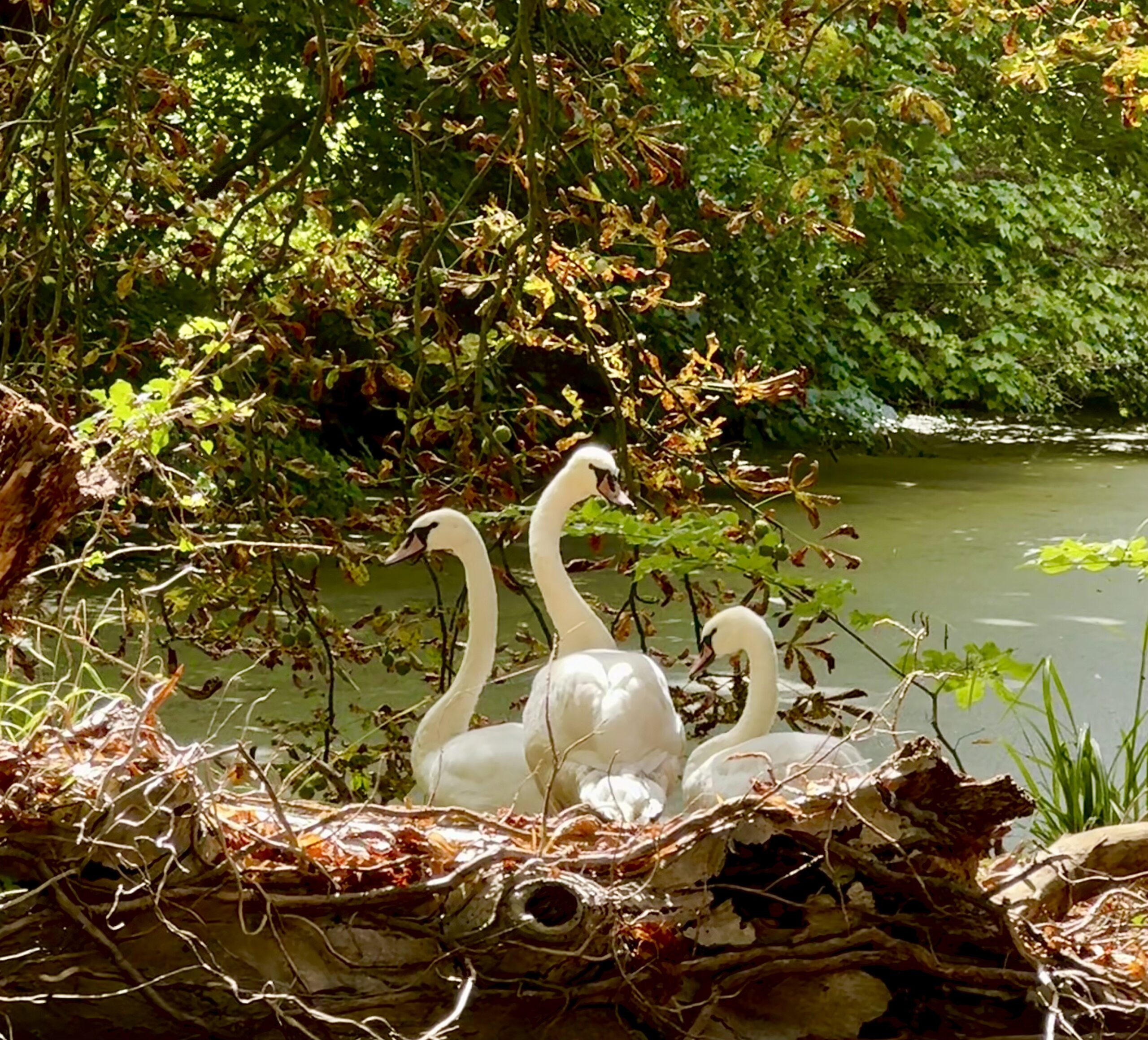
Every work begins with an approved Anchor Photograph. The Anchor is more than a source image or inspiration: it is the factual and visual control throughout the process.
The features that make the subject this particular place, object or group — viewpoint, significant subjects, their number and relationships, horizon, perspective, principal boundaries and defining geometry — are identified and protected. Colour, light, atmosphere, texture and degree of simplification may then be explored within those constraints.
Identity must precede interpretation.
Affective Realism
Refractism proposes a form of affective realism. Fidelity is not confined to optical resemblance. It may also include the accumulated experience, memory and emotional resonance through which a real subject is perceived and recalled.
The resulting image may therefore differ substantially from the photograph in colour, surface, atmosphere or emphasis while remaining accountable to the reality from which it began.
The Refractist Prism
The process may be imagined as a Refractist Prism. Observed reality enters through the Anchor Photograph and passes through accumulated experience, memory, present response, intention and judgement. What emerges should still be recognisably connected to the originating reality, but its visual emphasis may have changed.
The Prism is not software. It is a way of describing the human process through which observation becomes interpretation.
Refractism and Refractist works
Refractism is the disciplined core of the practice. In some works the same creative process is deliberately allowed greater freedom in colour, form, atmosphere or stylistic interpretation. These are described as Refractist works.
A Refractist work still begins with an Anchor and with an artistic intention arising from a real subject, but fidelity to the Anchor is no longer the overriding test to the same degree. The distinction is a classification, not a judgement of quality. Refractism and Refractist works may therefore appear alongside one another in the Collections, provided that each is clearly identified.
The role of computational tools
Generative computational tools are used to explore visual possibilities within the artist’s intention and constraints. They do not determine why an image should be made, what must be preserved, which departures are acceptable or which result is worth showing.
The system may propose. The artist directs, compares, rejects, refines and selects. Attractive results are rejected when they lose the identity of the Anchor.
What Refractism is not
Refractism is not defined by a prescribed painterly appearance, and it is not unrestricted AI image generation. A work may remain close to photographic realism, become visibly transformed, or occupy territory between photography and painting. What defines the disciplined practice is the continuing relationship between the finished work, the artist’s intention and the Anchor.
Closing invitation
The Collections show the practice rather than merely describe it. Each begins with its Anchor Photograph so that viewers can judge for themselves what has been preserved, what has changed and whether the resulting image succeeds.
For a concise account of the process: How the Images Are Made.
For the developed argument: Shifting the Lens: Affective Realism — Working Paper.
