How the Images Are Made
An artist-directed process, accountable to the Anchor.
Refractism explains how its images are made so that viewers are free to judge what matters: the images themselves.
It is an artist-directed method for transforming a photograph while preserving the recognisable identity of the reality from which it began. The aim is not to imitate painting, nor simply to alter a photograph. It is to create an image that communicates the artist’s intention and judgement and has sufficient visual, emotional or interpretative quality to attract and sustain the interest of the viewer.
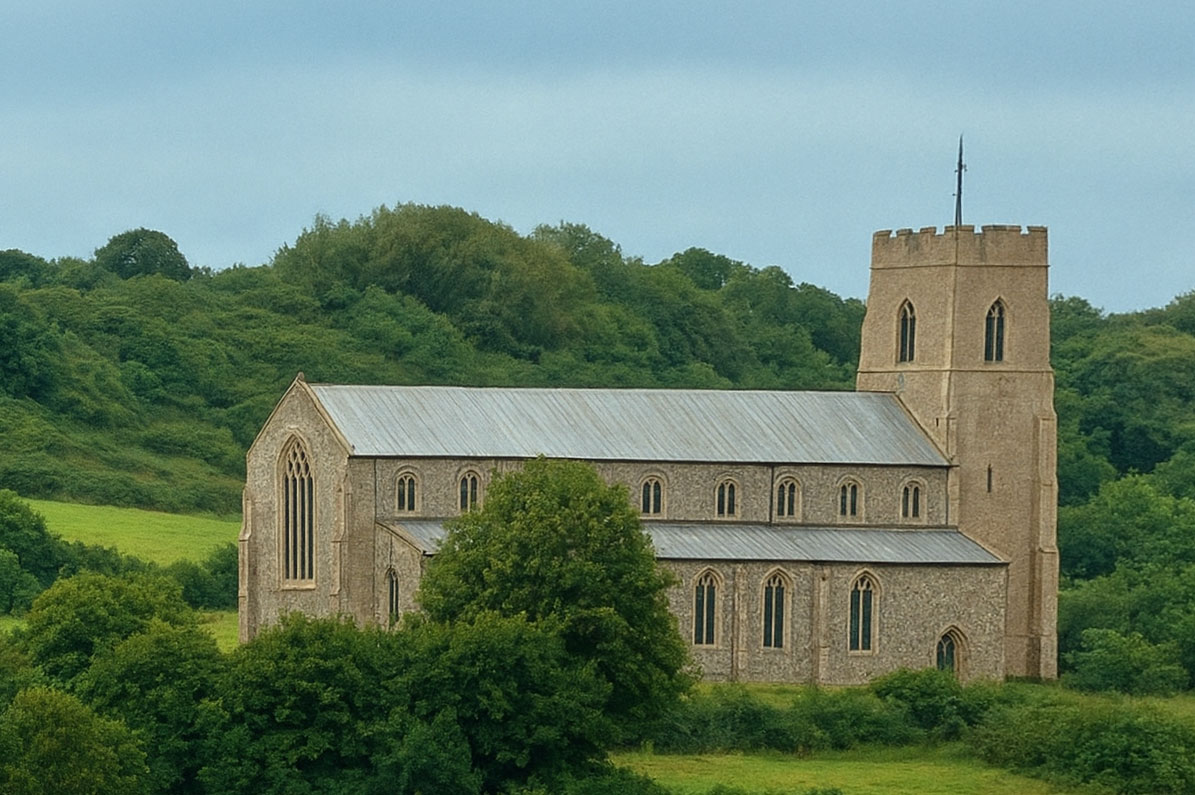


1. The Anchor Photograph
Every Refractist work begins with an approved Anchor Photograph. This is not merely inspiration for a new image: it remains the visual control throughout the process.
The practitioner identifies the features that make this particular scene itself — significant subjects, their number and relationships, viewpoint, horizon, perspective, principal boundaries and other defining geometry. These are treated as locks.
2. Intention before transformation
The artist decides what the image is intended to communicate before transformation begins. The intention may arise from memory, accumulated experience, a present response to the scene, or a deliberate exploration of atmosphere, light, colour or mood. The artist also decides what may change and what must remain fixed.
3. Using computational tools
The Anchor Photograph, the identity locks and the artistic intention are supplied to the computational system together. The system is asked to explore possibilities within those constraints.
It may propose; the artist directs, compares, rejects, refines and selects.
The computational system can generate possibilities that might require considerable manual or software skill to execute by other means. It does not decide why the image should be made, which departures are acceptable, which result best expresses the intention, or whether the finished work is worth showing. Those decisions remain with the artist.
4. The problem of generic drift
Generative systems repeatedly tend to drift towards a generic interpretation, even when they have already been given rules telling them not to do so. A beautiful woodland, marsh, church or group of swans is not enough: it must remain this woodland, this marsh, this church or these particular swans in their particular relationships.
Generic drift is not corrected by continuing to work from the attractive but inaccurate result. The practitioner returns to the actual Anchor Photograph, identifies what has changed, restates the locked features and asks for a more conservative transformation. The drifted image must not become the new reference.
5. No prescribed appearance
A Refractist image does not have to look like a painting. It may remain recognisably photographic, move towards a more visibly transformed visual language, or occupy territory between the two.
What defines Refractism is the disciplined method and continuing relationship to the Anchor, not a predetermined visual style.
6. The test
An attractive result is not enough if the Anchor has been lost. Equally, perfect compliance with the rules does not make an image artistically worthwhile.
A work must first survive comparison with its Anchor and then satisfy the artist’s own judgement. After that, it belongs to the viewer.
In practice
- Begin with a real photograph and approve it as the Anchor.
- Identify the subjects and structural features that must not change.
- Decide what the image is intended to communicate and what may change.
- Use the Anchor, intention and constraints together to explore possible interpretations.
- Compare every serious candidate directly with the Anchor.
- Reject attractive results that have lost the identity of the originating reality.
- Refine and select the work that best satisfies both the discipline and the artistic intention.
- Classify the finished work clearly as Refractism or, where greater expressive freedom has deliberately been allowed, Refractist.
For those who want the full method
The public website explanation is intentionally concise. The Refractism: Method and Practice Operating Manual records the fuller operational framework, including Anchor Review, image-specific locks, transformation discipline, drift detection, classification and documentation.
Read / download Refractism: Method and Practice — Operating Manual
